There are so many things we love about our Teacher Planners. Designed by former teachers, every page has been created to help real teachers stay organised without adding to their workload.
Our founder, Rachel, originally created the very first TPTC Teacher Planner because she couldn't find one that truly worked in the classroom. Every feature has been designed with practical teaching in mind.
Whether you're opening your planner for the very first time or looking for fresh ideas, here are our favourite tips to help you get the most from every page.
Getting Started: Set Yourself Up for Success
The first things to do in your planner are to complete the key information pages. Once you've done that, use your year overviews and monthly calendar spreads to mark in your term dates. As you find out about school events, meetings, parents' evenings, trips and important deadlines, simply add them to your monthly calendar so everything is in one place. Once you know a little more about your new class, you can add your pupils' names to the Student Notes and Records pages so they're ready to use in September.
How to Plan Your School Year
Your monthly calendar pages are some of the most useful pages in your planner, especially before the new academic year begins. Use the monthly pages to mark school holidays, INSET days, parents' evenings, training courses and more but make it fun!

Teachers like to colour-code using different colours for meetings, school trips, parents' evenings, assessment weeks or personal appointments, making it easy to see what's coming up at a glance.
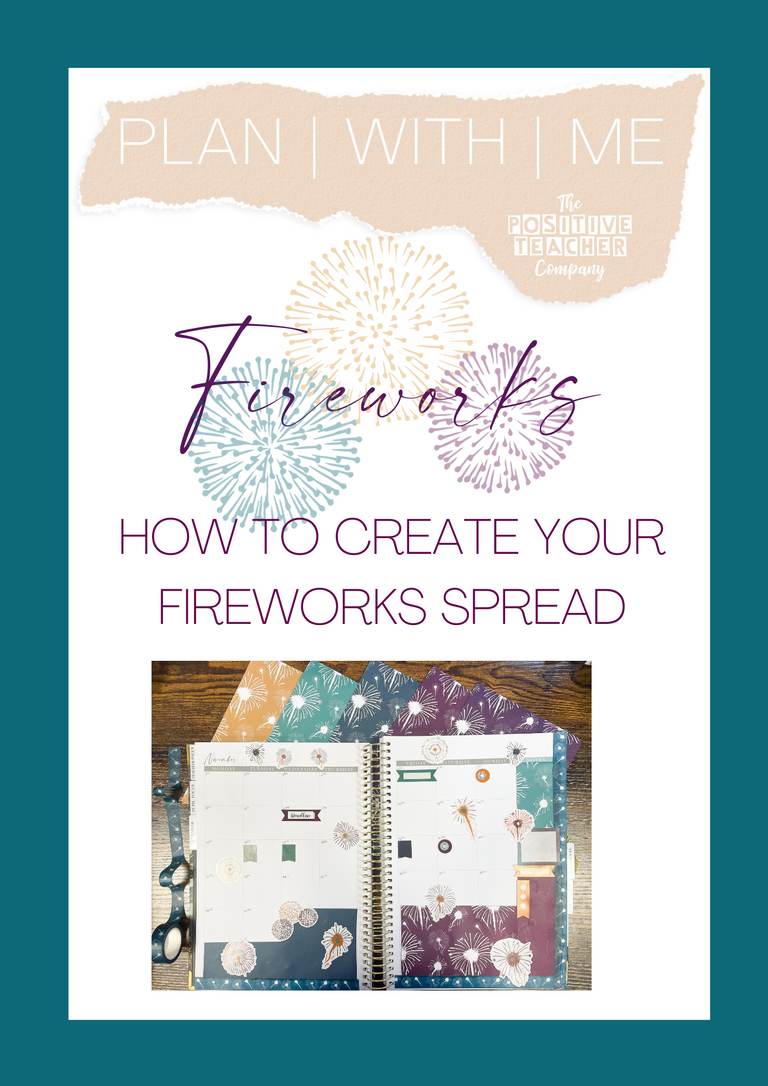
Decorate them with planner stickers, washi tape, coloured pens or doodles to make your planner uniquely yours. Many members of our TPTC Planner Inspiration Group even decorate their monthly spreads with seasonal themes throughout the year.
Join the TPTC Planner Inspiration Group here!
If decorating your planner is your thing, this is definitely the place to let your creativity shine!
Break It Down Into Manageable Chunks
Don't try planning the whole year, not only is that massively overwhelming but in schools things can change very quickly so although you do need to plan in advance to be organised, don't get too far ahead. Use your term pages for curriculum planning, the big ideas pages are perfect for planning out your topics or subjects. If you're not sure but want to begin planning some ideas, we love to use sticky notes to collect ideas before making formal planning notes.
💡 Teacher advice: Don't be afraid to change things, just because you've written it down or planned it in doesn't mean you can't adapt and amend where needed.
Make Your Weekly Pages Work for You
This is where your planning really comes to life. Everyone uses their Teacher Planner differently, so don't feel like you have to use every box in the same way. The beauty of the weekly pages is that they're flexible enough to work around your role, timetable and planning style.
💡 Top Tip
Plan your week before Monday arrives: Spend 10–15 minutes on a Friday afternoon or Sunday evening setting up the week ahead. Add in lessons, meetings, duties and any important events so you're not starting Monday morning from scratch.
One of our favourite planning hacks is using planner stickers and colour-coding to speed up your weekly planning.
Lots of teachers in our community use different colours for each class or subject and many use label stickers like in our Planner Sticker Book Vol. 1 to highlight break duty, meetings, PPA time or school events. Using stickers makes it much quicker to plan and much clearer to see what's happening throughout your week.
Your weekly spread is essentially your timetable for the week but that doesn't mean it has to look boring! Why not jazz it up a little?! So many of our TPTC Community love decorating their weekly spreads using washi tape, planner stickers and pens, check out some examples below!

Want some more inspiration? Our TPTC Planner Inspiration Group is full of teachers sharing their weekly spreads and clever planning ideas.
Join the TPTC Planner Inspiration Group here!
Personalise Your Teacher Planner
One of the things we love most is seeing how differently everyone uses their planner.
Some teachers love colourful weekly spreads covered in stickers and washi tape, while others prefer a clean, minimal layout. Some use every planning page, while others focus on the weekly layouts.
There really isn't a right or wrong way to use your planner.
The best planner is one that works for you.
Teacher Planner Accessories You'll Love
Looking to complete your planning setup? These are some of the TPTC Community's favourite planner companions:

📒 A5 Planner Notebook
Perfect for lesson ideas, observations and notes on the go and slots perfectly into the inside pocket of your planner.
📔 A4 Hardback Notebook
Great for meetings, CPD, project planning and general organisation.
✨ Planner Sticker Books
Perfect for colour-coding, highlighting important events and personalising and decorating your planner.
🎨 Washi Tape
Ideal for decorating your planner, marking holidays and organising your monthly spreads.
📝 Sticky Notes
Brilliant for reminders, changing plans and temporary notes.
None of these are essential but they can make planning quicker, easier and even more enjoyable. Pick and choose the accessories that suit the way you like to plan.
We'd Love to See Yours!

However you choose to use your Teacher Planner, remember that it's there to make your life easier, not add extra pressure. Don't worry about making every page look perfect. The most effective planner is the one that works for you.
We'd love to see how you use yours, so come and join thousands of teachers in our TPTC Planner Inspiration Group to share ideas, discover new planning tips and find inspiration from classrooms across the UK.
Your Teacher Planner is there to support you throughout the school year but there's no single "right" way to use it. Whether you prefer colourful, sticker-filled pages or a simple, minimalist layout, the best planner is one that works for you. Experiment with different planning styles, make it your own and enjoy creating a system that helps you stay organised all year long.